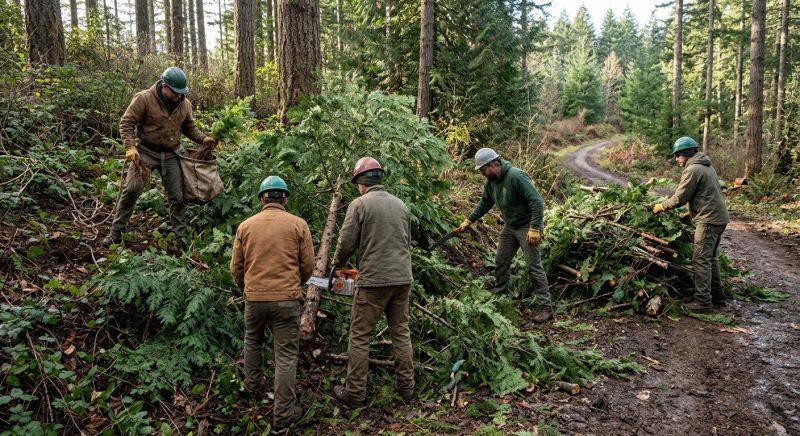
Hemlock Removal in Philadelphia, PA
Hemlock removal services involve the careful and efficient removal of hemlock trees that may pose risks to property safety, health, or aesthetics. This service covers projects such as removing hazardous or unwanted hemlocks, clearing space for new landscaping, or managing overgrown trees that interfere with power lines, structures, or other vegetation. Property owners typically seek this service to eliminate trees that are diseased, damaged, or simply no longer desired, ensuring the safety and appearance of their landscape.
Before requesting hemlock removal, property owners should consider the size and location of the trees, as well as any potential impact on surrounding structures or utilities. It’s also helpful to understand the reasons for removal, whether due to health concerns, safety, or landscape redesign, to ensure the process aligns with their goals. Clarifying these details can facilitate a smooth removal process and help determine the best approach for maintaining a safe and attractive property.
Many property owners in Philadelphia, PA look into Hemlock Removal for repairs, replacements, upgrades, and appearance-related improvements.
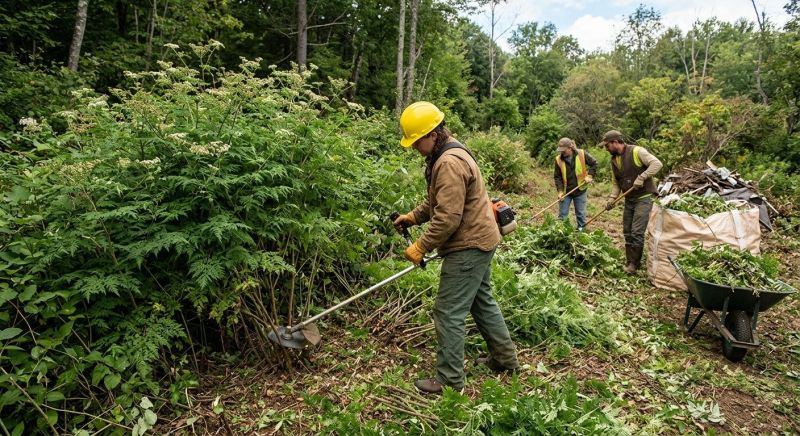
Reasons For Hemlock Removal
Removing damaged or overgrown hemlocks can improve the safety and appearance of residential properties in philadelphia.
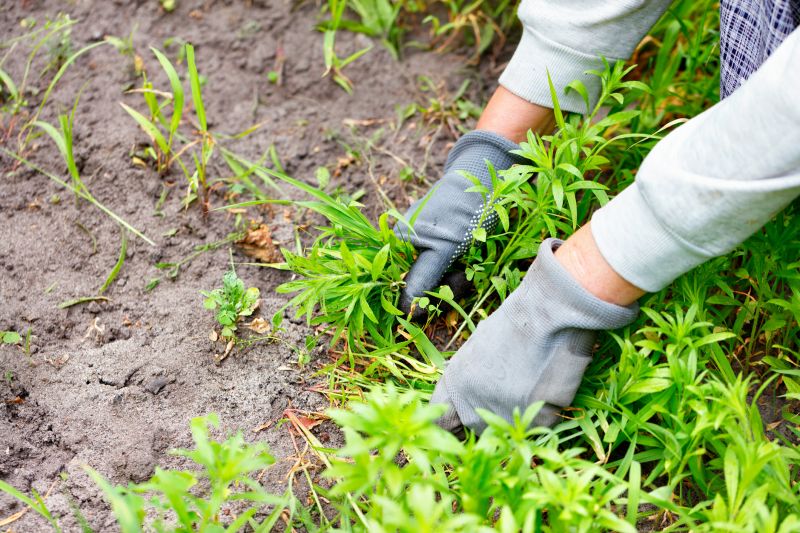
Hemlock Removal Process
Professional services typically involve careful cutting, stump removal, and site cleanup to restore the landscape.
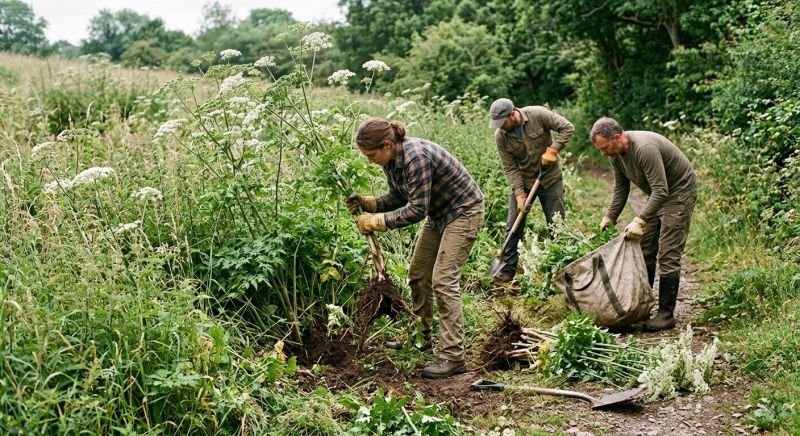
Property Improvement Benefits
Removing unwanted hemlocks can enhance sunlight access, prevent disease spread, and increase overall curb appeal.
Hemlock Removal in Philadelphia, PA

Hemlock removal services involve the careful and efficient removal of hemlock trees that may pose risks to property safety, health, or aesthetics. This service covers projects such as removing hazardous or unwanted hemlocks, clearing space for new landscaping, or managing overgrown trees that interfere with power lines, structures, or other vegetation. Property owners typically seek this service to eliminate trees that are diseased, damaged, or simply no longer desired, ensuring the safety and appearance of their landscape.
Before requesting hemlock removal, property owners should consider the size and location of the trees, as well as any potential impact on surrounding structures or utilities. It’s also helpful to understand the reasons for removal, whether due to health concerns, safety, or landscape redesign, to ensure the process aligns with their goals. Clarifying these details can facilitate a smooth removal process and help determine the best approach for maintaining a safe and attractive property.
Many property owners in Philadelphia, PA look into Hemlock Removal for repairs, replacements, upgrades, and appearance-related improvements.
Common Hemlock Removal Jobs
Hemlock removal involves safely extracting invasive trees to protect surrounding vegetation.
Hemlock thinning reduces tree density to improve forest health and growth.
Hemlock stump grinding eliminates remaining stumps to prevent regrowth and clear the area.
Hemlock pruning helps manage tree shape, remove dead branches, and promote safety.
Hemlock infestation treatment targets pests and diseases affecting hemlock trees.
Hemlock preservation services focus on maintaining healthy hemlocks while removing hazards.
Hemlock Removal Questions
Why should I remove a hemlock tree? Removing a hemlock can prevent the spread of pests and diseases that threaten nearby trees and plants.
What signs indicate a hemlock needs removal? Signs include significant dieback, pest infestation, or structural instability that poses safety concerns.
Is hemlock removal safe for surrounding plants? Proper removal techniques minimize impact on other landscape elements and ensure safety during the process.
How does hemlock removal benefit property aesthetics? Removing a problematic or unsightly hemlock can improve the overall appearance and health of the landscape.
Request Hemlock Removal in Philadelphia, PA
Use the quote form on this page to share the basics of your project and request more information for the type of work you need.